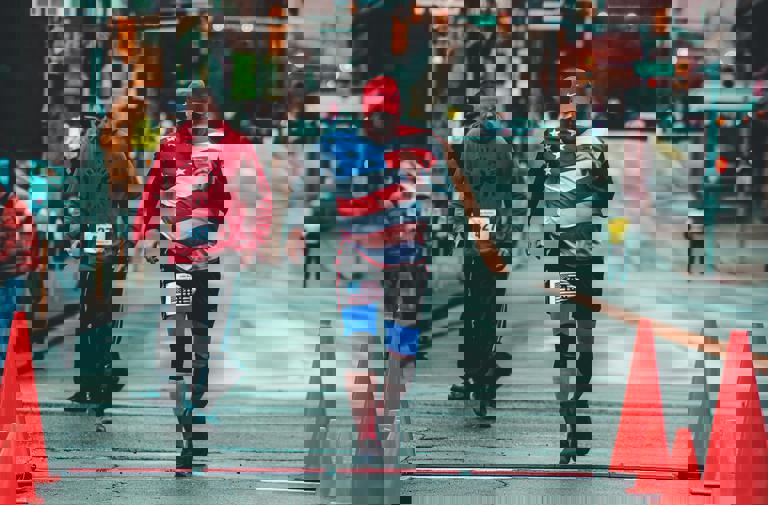
Organizers of this year’s major city marathon have announced a significant change to the event’s traditional route following an outpouring of complaints from participants and advocacy groups. The decision, made public earlier this week, comes after numerous runners flagged concerns regarding hazardous construction areas and a complicated patchwork of road closures along the route initially planned for the marathon. Safety and accessibility have emerged as central themes in this year’s preparations as a result.
Race director Emily Parsons explained, “While we always aim to preserve the classic appeal and cityscape of our marathon, participant safety is our absolute priority. The feedback we received—particularly about certain active construction sites—made it clear we needed to make adjustments.” Construction zones, especially those involving uneven pavement or restricted pathways, present trip hazards and bottlenecks, which prompted officials to reconsider the logistics.
According to the organizing committee, the newly mapped route has been extensively reviewed in collaboration with the city’s Department of Transportation and local emergency services. Planners conducted multiple walkthroughs and simulations to ensure that marathoners would not be exposed to dangerous conditions. This multidisciplinary approach to planning highlights an increased focus on risk assessment and runner welfare not only for this event but potentially for future city races as well.
The concerns raised were not limited to physical safety alone. Several disabled athletes voiced apprehensions over accessibility, worried that uneven surfaces might hinder wheelchair racers and visually impaired runners. Advocacy groups lobbied for clearer signage and unobstructed lanes. “We appreciate the swift response from marathon officials,” said Thomas Leung, spokesperson for an accessibility coalition, adding that inclusive design is crucial for large-scale events.
Besides safety specifics, some participants were initially disappointed at the prospect of missing out on historical city landmarks that are typically marathon highlights. However, organizers assure that the revised course, though slightly altered, will still offer “scenic views and vibrant neighborhoods,” according to a recent press statement. Landmark supporters hope that future races might return to the more iconic parts of the city, once construction concludes.
City officials have also commended the marathon committee for its flexibility and proactive response. “Coordination between event organizers and public agencies ensures our reputation as a host city for major sporting events remains strong,” noted Deputy Mayor Ana Rodriguez. She emphasized that accommodating both public infrastructure needs and large public events often requires such nimble adjustments, particularly in rapidly developing urban centers.
Business owners along the former route expressed mixed reactions to the announcement. While some are concerned about the possible dip in customer traffic due to the rerouted course, others see it as an opportunity to attract new patrons from different neighborhoods. Restaurants and retailers near the new stretch are preparing special promotions and “cheering stations” to engage with spectators and runners alike.
Local law enforcement and emergency personnel have welcomed the changes, citing fewer potential hazards and a more manageable crowd control scenario. Police Chief Samuel Cross indicated that the updated route would allow for improved deployment of officers and emergency vehicles. “We can now station resources at high-density areas and vulnerable spots more efficiently,” he stated, pointing out that this will also improve response times for any incidents.
The marathon typically attracts around 15,000 participants, including elite athletes, recreational runners, and charity teams from across Canada and beyond. According to data from last year’s event, more than 50,000 spectators lined the streets at peak times. Organizers are optimistic that the adjustments will encourage even more runners to register, alleviating earlier anxieties about unpredictable course conditions.
Feedback from registered runners since the announcement has been overwhelmingly positive. Susan Kim, a marathon veteran, commented, “It shows that the organizers really value our input. Knowing they acted on our concerns gives me greater confidence going into race day.” Several social media threads have echoed her sentiment, applauding both the transparency and the responsiveness demonstrated by the planning team.
In the aftermath of the decision, the committee has pledged to institute more robust channels for feedback in the future. Race director Parsons revealed plans to launch a year-round participant advisory board comprised of runners, accessibility advocates, public safety experts, and local business leaders. This board will help preempt similar issues and ensure ongoing dialogue among all stakeholders for subsequent events.
Public transport authorities are actively communicating the changes and encouraging spectators to use bus and train services to reduce congestion. The revised marathon map—now widely circulated online and through community bulletins—clearly outlines new water stations, first aid points, and spectator viewing spots. Organizers have also collaborated with ride-share companies to ensure drop-off points are clearly marked and accessible.
Ultimately, the redrawn marathon route underscores the adaptability and commitment of both planners and participants to host a world-class, safe event. As race day approaches, officials urge everyone to regularly check updates and prepare for new logistics. Their collaborative efforts reflect a broader lesson for event planning in vibrant, ever-changing cities: flexibility and community input remain key to long-term success.